Building a pharmacy supply chain that doesn't run out
What a county referral hospital could expect after rolling out TamamHealth PMS with batch tracking and donor-tagged inventory: stock-out incidents on essential medicines projected to drop from double digits per quarter into the low single digits.
The kind of problem we're built for
A typical county referral hospital receives drug consignments from three or more different funders — the Global Fund, UNICEF, and the State Ministry of Health. Mixing them on a single shelf makes consumption reporting back to each funder painful and inaccurate.
An informal paper bin card system means the pharmacy team often only realises they're out of an essential medicine when a clinician comes down to ask. Antimalarial stock-outs during the rainy season can run 4–6 weeks per year.
How TamamHealth changes the day
Each consignment gets tagged by donor at goods receipt. FEFO + donor-priority dispense logic means short-dated stock and the right donor's stock are picked first, automatically.
Reorder thresholds set per item with an SMS alert to the chief pharmacist when stock dips. Suppliers receive an automatic order PDF when on-hand drops below a 30-day buffer.
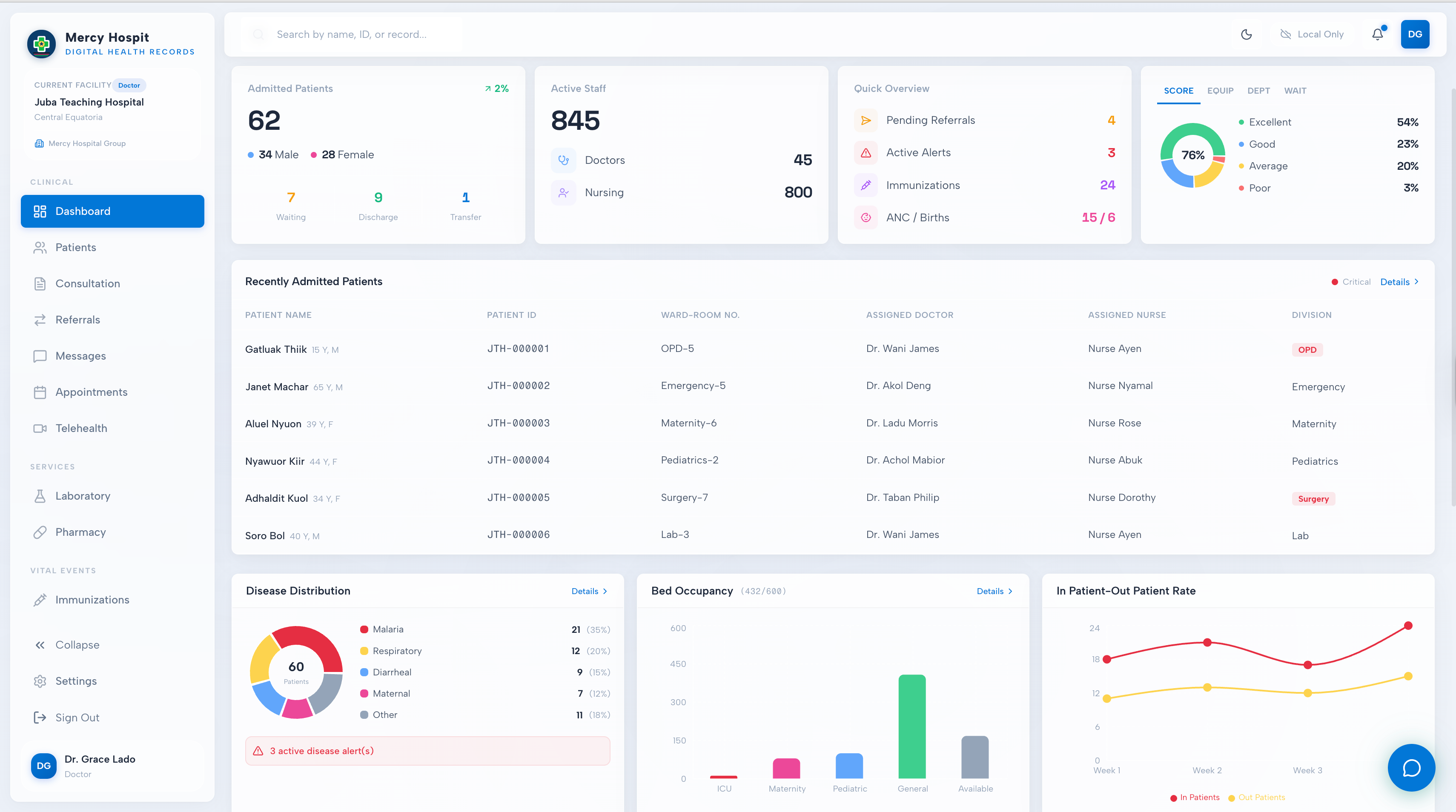
Dashboard shows month-on-month consumption per donor, ready to export for funder reporting.
What we'd expect in the first two quarters
Stock-out events on the WHO Essential Medicines List could fall by 80%+ — most remaining stock-outs would be national-level supply gaps, not facility-level mismanagement.
Donor-consumption reports generated in five minutes for each funder. Stronger reporting often unlocks additional allocations from international partners.
Expired-stock write-offs typically drop from 4–5% of inventory value to under 1%.
“For the first time, a chief pharmacist could tell the medical superintendent today's stock value, today, without doing a count.”